
The Tea Bowl Becomes Part of the Tea
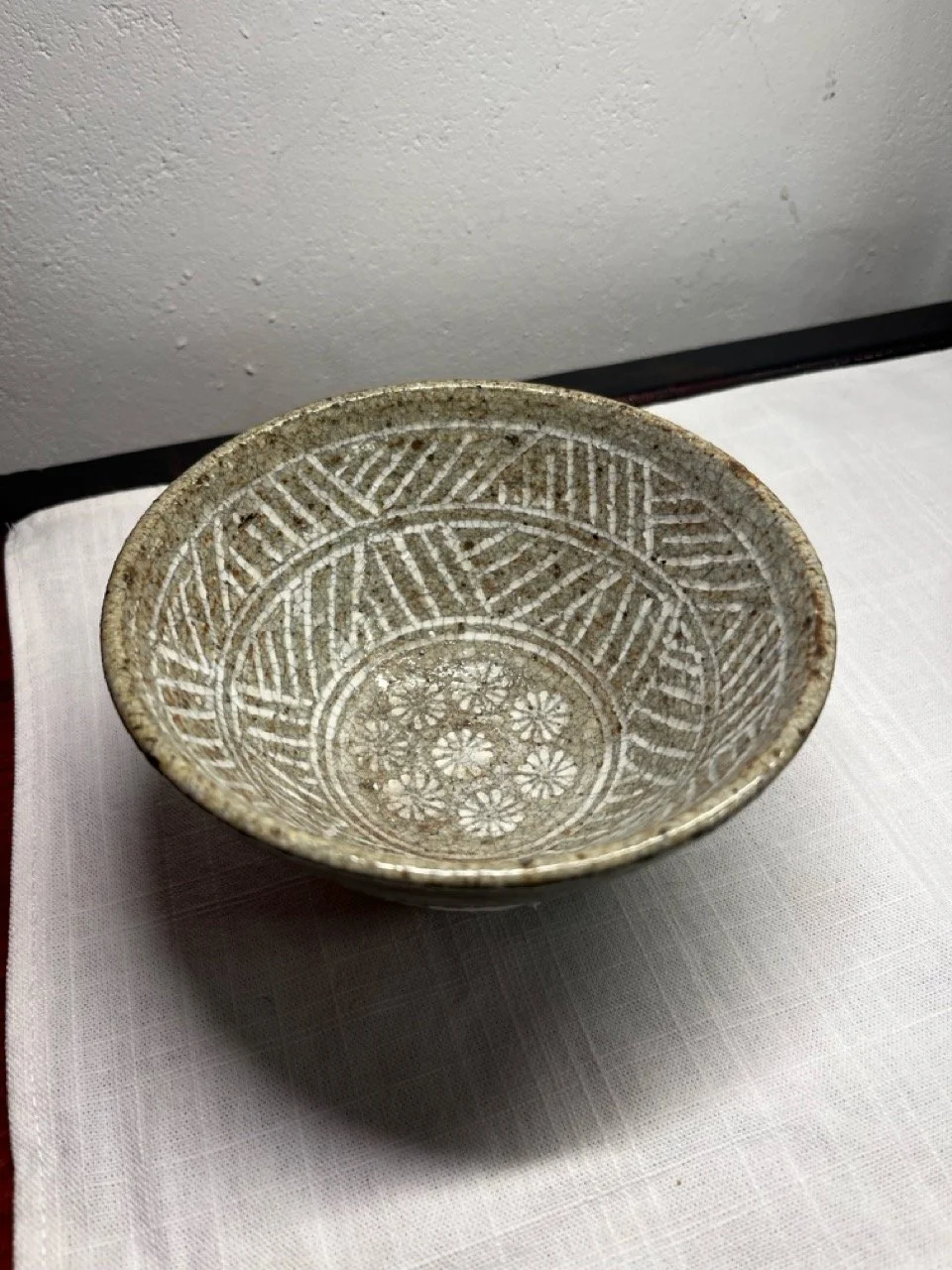
©️Heesum Tea room
A tea bowl is made to hold tea, but from the moment it is lifted, it becomes part of the experience itself. This is likely why Joseon era tea bowls have remained in daily use for so long. They were shaped with function in mind rather than decoration. Comfort mattered more than precision. That quiet practicality is what allowed them to endure.
The restrained aesthetic of Joseon bowls supports the tea without drawing attention away from it. Color and aroma are carried honestly, without ornament. In Korea, certain regions are long known for tea bowls, places where soil, water, and fire come together in balance. These regions often share another trait as well. Good rice. The land that produces good grain tends to produce good vessels.
Recently, I encountered a tea bowl made in buncheong ware using the gwiyal technique. The brush marks remain visible, holding the rhythm of the maker’s hand and the time in which it was formed. Even bowls made side by side each carry a different expression. This individuality is not accidental.

©️Heesum Tea room
When finely whisked powdered tea is poured into such a bowl, the rough and honest surface sharpens the presence of the tea itself. The texture allows the foam to stand out more clearly. It is a quiet pleasure, and one I want to share. By sharing tea, I also want to share the story of the bowls that support it, so that Korean tea tools continue to live through use rather than memory.
